
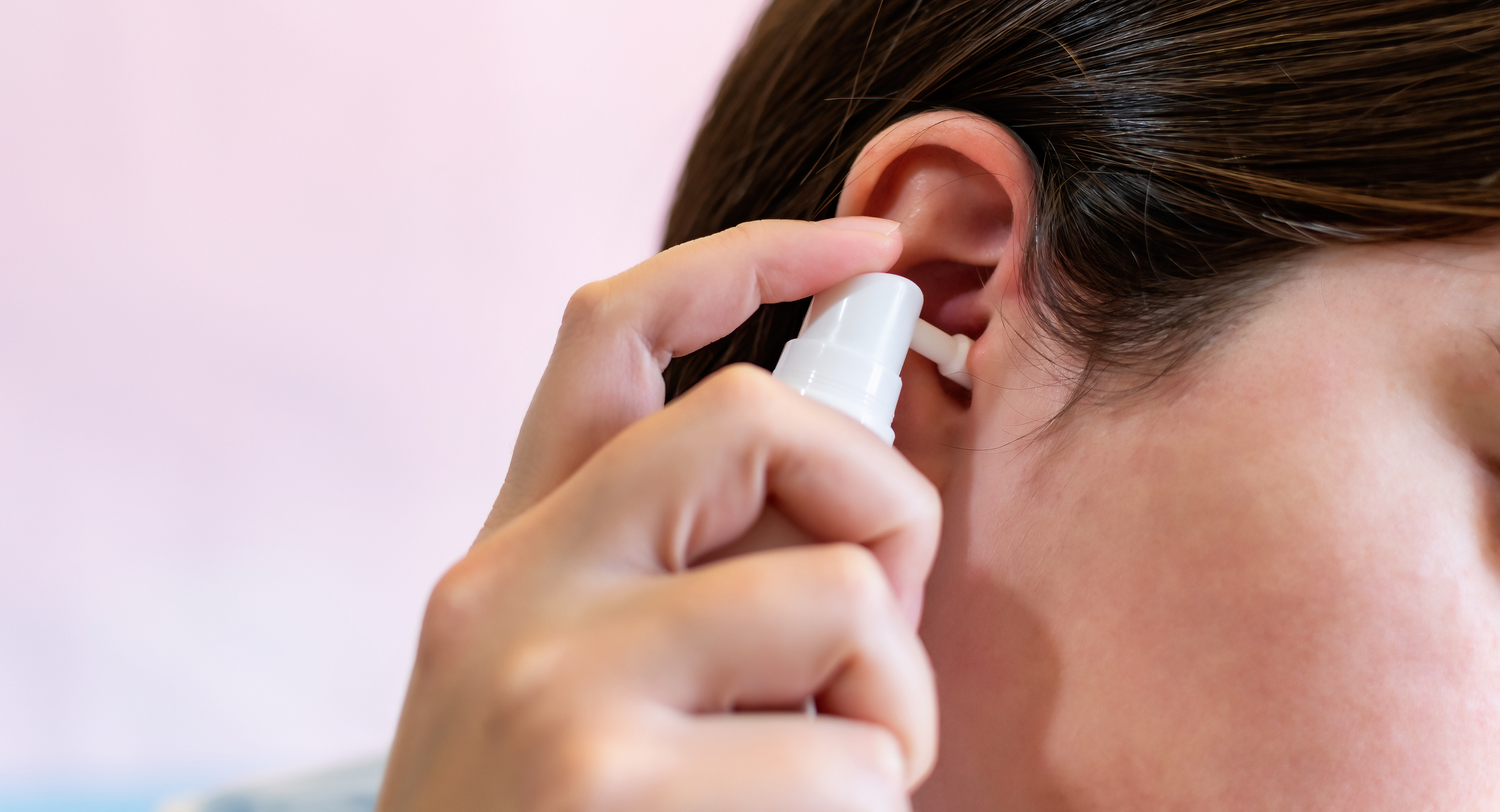
 Earwax, or cerumen, is a self-cleaning agent your body produces. It collects dirt, bacteria, and other debris. It usually works out of the ears naturally through chewing and other jaw motions and movement of the cells in the ear canal.
Sometimes, wax can build up in the ear canal, affecting a person’s hearing. When it reaches this level, it is called impaction.
If you have impaction, you may experience symptoms such as:
- Aching in the affected ear
- A feeling of fullness or ringing in the ear
- Impaired hearing in the affected ear
- An odor coming from the affected ear
- Dizziness
- A cough
You may be more likely to develop excess wax in the ears if you use hearing aids or earplugs. Older adults and people with developmental disabilities are also at higher risk. Your ear canal’s shape may make the natural removal of wax difficult.
The safest way to remove earwax buildup is to visit a healthcare provider. During the appointment, they may use special instruments, like a cerumen spoon, forceps, or a suction device, to clear the blockage. Some healthcare providers may use professional irrigation.
If you choose to try to remove the earwax yourself at home, the safest methods to do so include:
- Using a warm, damp cloth instead of cotton swabs, as they may push wax deeper into the ear canal. Use cotton swabs only on the outside of the ear.
- Using over-the-counter ear drops that soften the earwax. Place the specified number of drops in your ears, wait a certain period, and drain or rinse out your ears. Be sure to follow the instructions on the package.
- Using a bulb syringe to irrigate your ears, gently rinse the ear canal using water or saline solution. This method is more effective if you use earwax softener 15 to 30 minutes before irrigating your ear(s). It is best to warm the solution to your body temperature to avoid dizziness. You shouldn’t attempt to irrigate your ears if:
- You have diabetes
- You have a compromised immune system
- You may have a hole in your eardrum
- You have tubes in the affected ear
Cleaning your ears too often may irritate the ear canal or lead to more impaction if done incorrectly.
The symptoms of an earwax blockage may also signal another medical problem. Ear infection symptoms can typically develop rapidly. You should contact a healthcare provider if you have the following symptoms:
- Pain in the middle ear
- Fluid drainage
- Impaired hearing
Contact a healthcare provider if you experience earwax impaction more than once a year or have certain risk factors. You may want to schedule routine professional cleanings every 6 to 12 months.
If you are experiencing symptoms of ear impaction, you can visit Flushing Hospital Medical Center’s Ambulatory Care Center. To schedule an appointment, please call (718) 670-5486.
All content of this newsletter is intended for general information purposes only and is not intended or implied to be a substitute for professional medical advice, diagnosis or treatment. Please consult a medical professional before adopting any of the suggestions on this page. You must never disregard professional medical advice or delay seeking medical treatment based upon any content of this newsletter. PROMPTLY CONSULT YOUR PHYSICIAN OR CALL 911 IF YOU BELIEVE YOU HAVE A MEDICAL EMERGENCY.