
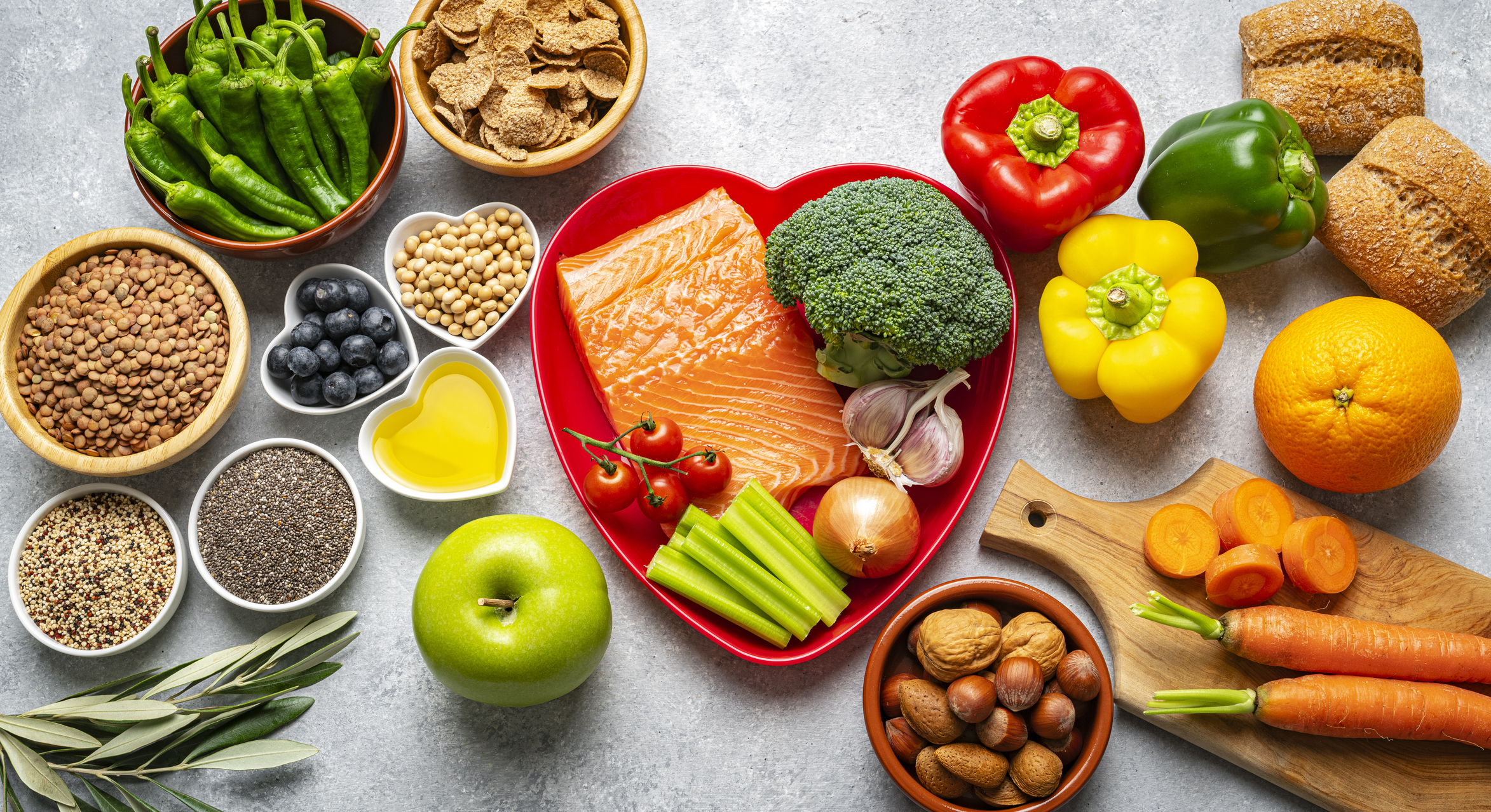
 The American Heart Association (AHA) recently released new dietary health guidelines that may reduce the risk of cardiovascular disease.
The 2026 guidelines emphasize a dietary pattern that is rich in whole grains, fruits, and vegetables, prioritizes protein from plant-based sources, and is low in sugar, salt, and processed foods.
According to the AHA, this update is crucial, as about half of adults in the United States are affected by some form of cardiovascular disease, often resulting from chronic conditions like hypertension. These diseases are frequently associated with lifestyle choices, particularly insufficient physical activity and a poor diet. Additionally, over 60% of children and adults in the U.S. maintain unhealthy eating habits, which contribute to chronic health issues and negative health outcomes.
The new AHA dietary guidelines are built on decades of evidence that show following a lifelong healthy eating pattern may significantly reduce the risk of cardiovascular disease and other chronic conditions. The updated guidelines outline nine key features of a heart-healthy diet:
- Adjust energy intake and expenditure to achieve and maintain a healthy body weight: Try to balance how much you eat with how active you are, to reach and maintain a healthy body weight.
- Eat plenty of vegetables and fruits and choose a wide variety: Include different colors, textures and types of produce, and remember, even canned and frozen can be nutritious and affordable.
- Choose foods made mostly with whole grains rather than refined grains: Foods such as whole‑wheat bread, brown rice and oatmeal are better choices than refined grains including white bread or white rice.
- Choose healthy sources of protein: Shift from meat to plant-based sources such as legumes, including beans, peas and lentils, along with nuts and seeds; regularly consume fish and seafood; select low-fat or fat-free dairy products; and if red meat is desired, choose lean cuts, avoid processed forms and limit portion size.
- Choose sources of unsaturated fats in place of sources of saturated fat: Replace saturated fats with healthy unsaturated fats, including those from nuts, seeds, avocados and nontropical plant oils.
- Choose minimally processed foods instead of ultraprocessed foods: Go with foods close to their natural state, with minimal added commercial ingredients, rather than those that are highly processed with additives.
- Minimize intake of added sugars in beverages and foods: Limit the sugar-sweetened beverages you drink and the foods with added sugar you eat.
- Choose foods low in sodium and prepare foods with minimal or no salt: Be aware of hidden sources of sodium in commercially prepared and packaged foods and season your food with healthier options such as herbs, spices or lemon instead of salt.
- If alcohol is not consumed, do not start; if alcohol is consumed, limit intake: Alcohol can increase your risk for high blood pressure and other health conditions, so if you don’t drink, don’t start.
The AHA states that these healthy eating patterns should be sustained for a lifetime, and can be adapted to cultural and religious practices, different personal needs and budgets, and varying life stages.
If you have questions about your heart health or about managing a heart-healthy diet, please call 718-670-5486 to schedule an appointment with a doctor at Flushing Hospital Medical Center.
All content of this newsletter is intended for general information purposes only and is not intended or implied to be a substitute for professional medical advice, diagnosis or treatment. Please consult a medical professional before adopting any of the suggestions on this page. You must never disregard professional medical advice or delay seeking medical treatment based upon any content of this newsletter. PROMPTLY CONSULT YOUR PHYSICIAN OR CALL 911 IF YOU BELIEVE YOU HAVE A MEDICAL EMERGENCY.